

Farrell Buettgen Savory Waffle Kitchen Farrell Buettgen Savory Waffle Kitchen
Shredded potato batter poured into an open hot waffle iron, steam rising, a dial timer beside it on a steel counter in cool morning light
Recipe — heart plates, one bowl

Heart-shaped hash brown waffles, crisp and compact

Shredded potatoes, hot iron, crisp edges. One rule decides the result, and it happens before the potatoes ever reach the plates.

06 min 400 g grated russet 5–8 min per batch 4–5 ingredients
The method, in short

A heart iron turns a simple grated-potato mix into something worth showing off

The method is the same as any hashbrown waffle, with one rule that decides everything: squeeze the moisture out before you press. Once you have that, the heart plates do the rest, in about 5 to 8 minutes per batch. Nothing here needs special ingredients — a bowl, a box grater, a towel, and an iron that gets properly hot.

Step one

Grate russets coarse on a box grater, skin and all if the potatoes are scrubbed. Work fast, or hold the shreds in cold water so they do not brown.

Step two

Salt the shreds, wait a few minutes, then wrap them in a towel and twist hard over the sink. Fluff, and squeeze a second time.

Step three

Mix in plant butter, starch, salt and pepper, press into a hot greased heart plate, and cook until the edges go deep gold.

A hand lifting the lid of a hot waffle iron while a crisp-edged potato waffle clings to the grid, steam rising into lamp light
00:03 — the release moment, on the plates that cling longest A hashbrown waffle lets go when the surface is dry and the edges are set
Start with dry, well-grated potatoes

Russets, coarse-grated, and squeezed twice

Russets give the crispest result because they are starchy and low in moisture once squeezed. You do not need to peel them if you scrub clean; the skin adds texture and flavor. Work quickly so the potatoes do not brown, or drop the shreds into cold water, then drain and squeeze well before mixing. If you are chasing a familiar waffle house style hashbrowns texture at home, the coarse grate and the second squeeze are where that texture is actually made.

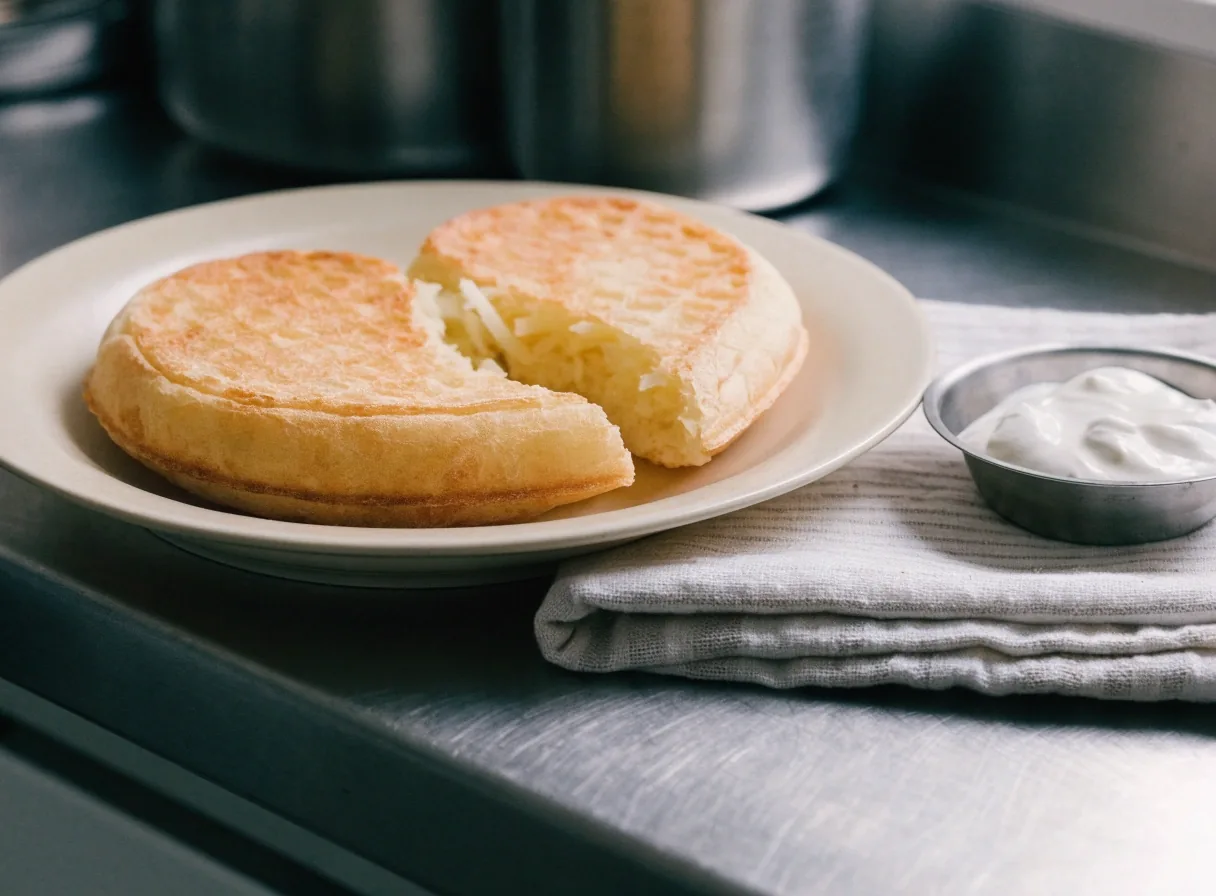
A heart-shaped hash brown waffle on a cream plate, one lobe torn away to show the shredded potato interior, with a small dish of yogurt dip beside it

The moisture rule, without exception

400 g russet · 5–8 min per batch · rest on a rack

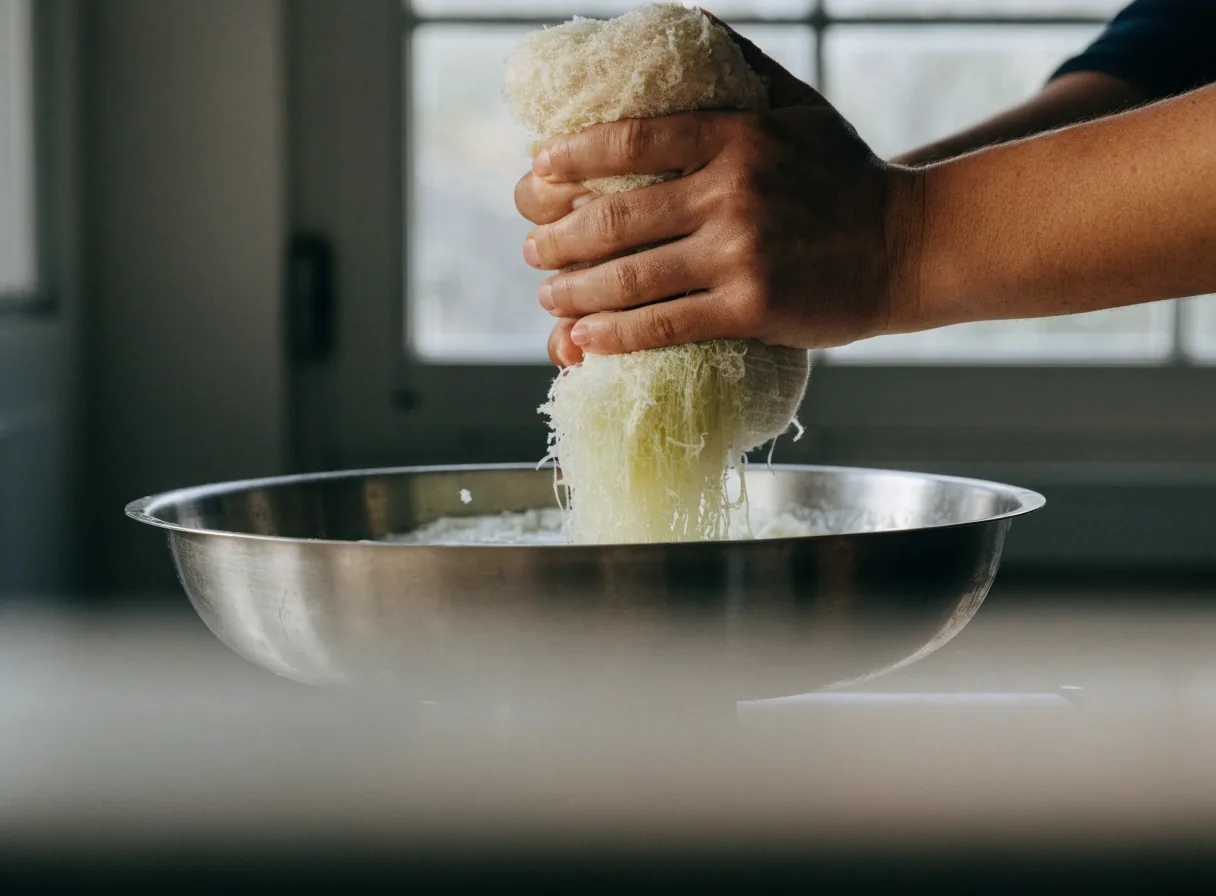
Wrap the shreds in a clean towel and twist hard over the sink. Empty the towel, fluff, and squeeze again. This second pass is the step most cooks skip and the reason their waffles come out soft. Salt the shreds first to draw out water, then squeeze. Dry potatoes press into a firm, even layer, and a firm layer is what releases cleanly from the heart plates and turns crisp.

  • Squeeze once to break the shreds
  • Squeeze again after fluffing
  • Salt before the towel, not after
Hands twisting a dish towel full of grated potatoes over a steel bowl, potato water running out into the bowl

A simple vegan-friendly mix

4–5 ingredients · no egg required

For a vegan version, skip the egg and bind with a couple of tablespoons of flour or cornstarch, plant butter, salt, and pepper. Melted plant butter coats the shreds and helps them brown evenly. Mix with your hands until a fistful holds together. If the mixture feels dry and crumbly, add a splash of plant milk; if it feels wet, add more starch. The whole mix is four or five ingredients, and that is the point — a home waffle house savory waffle recipe lives or dies on the potato, not the batter.

Pressing into a heart iron

Heat, grease, press slow, and let the plates set the layer

05 min
Preheat & grease

Preheat the iron until a drop of water sizzles and vanishes. Grease both plates well, before the first waffle and between each one — the heart contours have tighter corners than a standard grid and that is where stuck potatoes begin.

Spoon & press

Spoon the mixture onto the center of the lower plate, leaving a small border. Close the lid slowly so the weight presses the potatoes flat without forcing them out the edges. Heart plates are usually thinner than standard ones, so the layer sets fast.

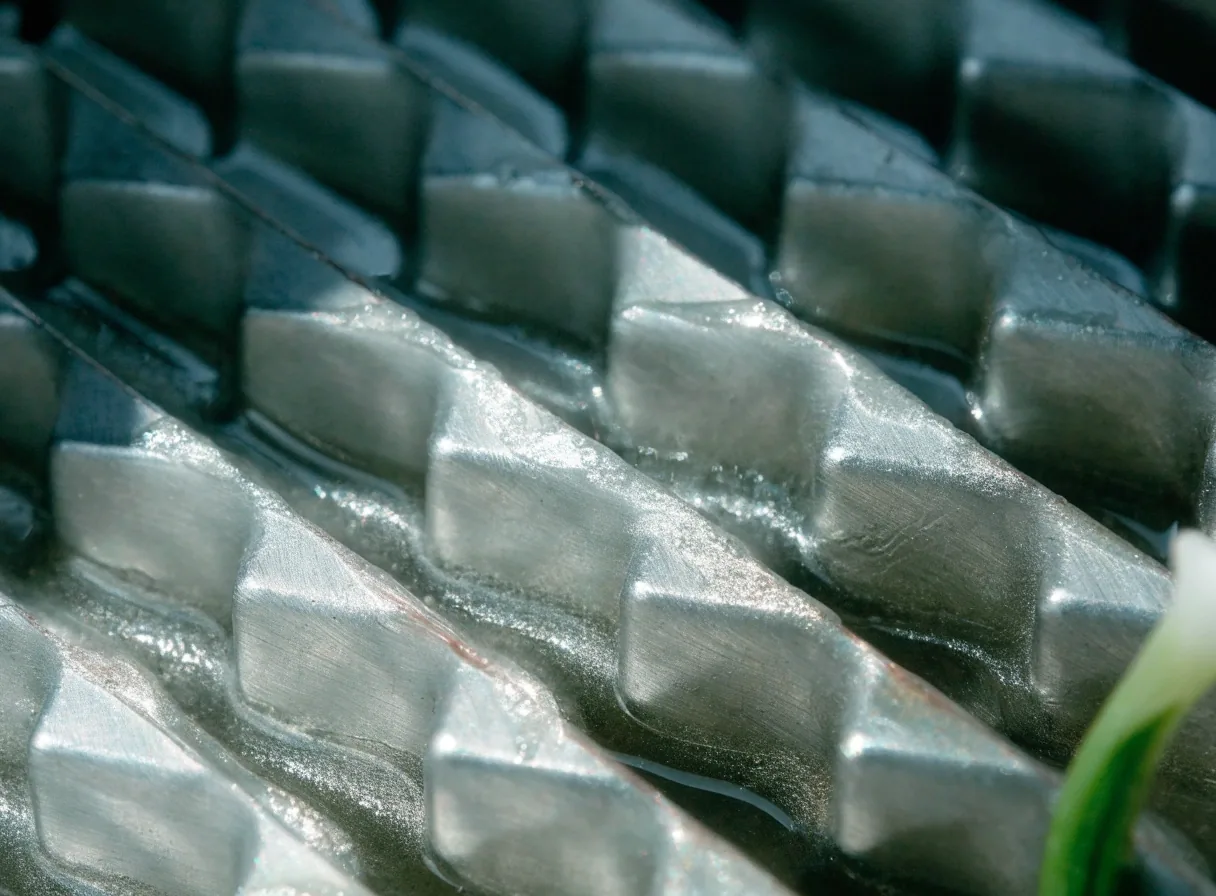
Close detail of a hot waffle-iron grid at temperature with a sheen of oil across the scored metal and a scallion tip at the frame edge
The 5 to 8 minute cook window

What the cook watches for, in numbers that stay the same

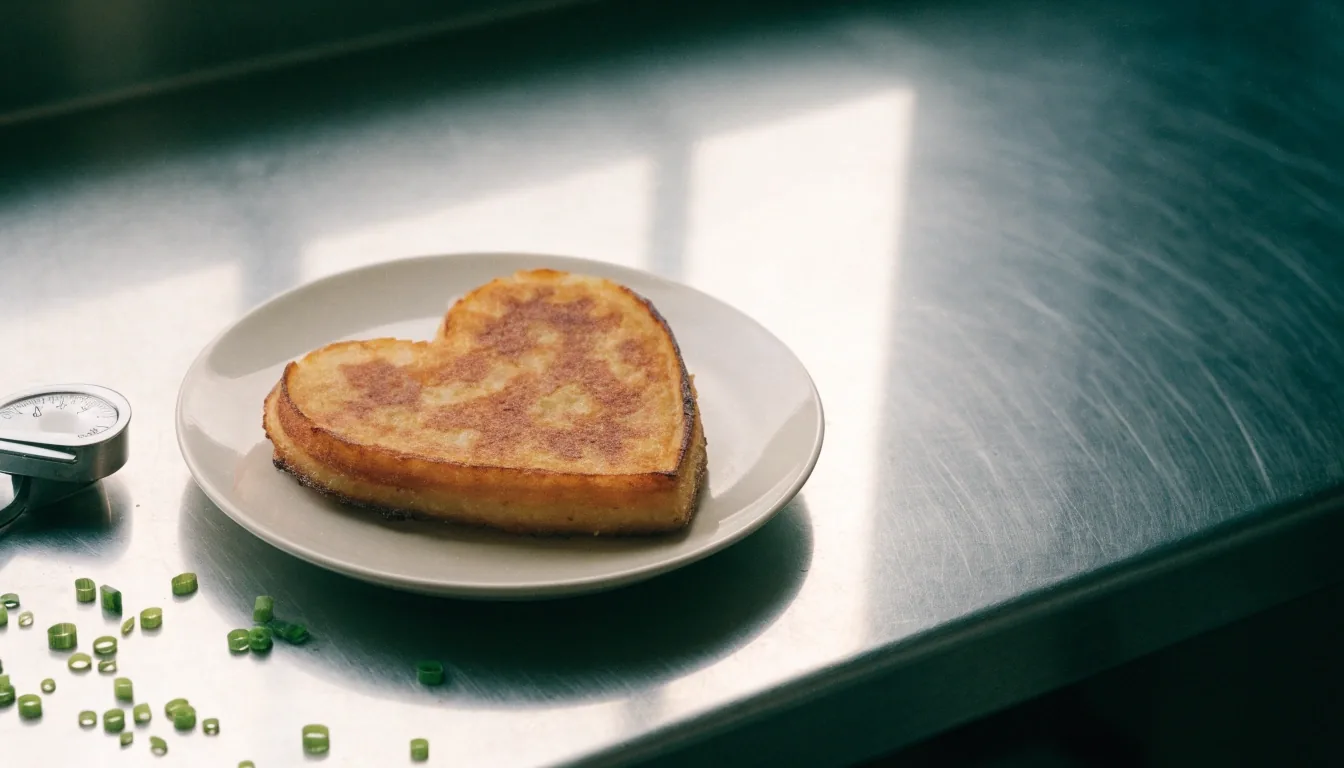
A crisp-edged heart-shaped hash brown waffle just off the iron onto a cream plate, a dial thermometer at the edge of the frame
Cook time, per batch

05 min

The waffle is ready when the edges are deep golden brown and the surface is dry. Lift one edge with a fork to test; if it resists, give it another minute. Thin plates brown faster than standard ones, so check early the first time and adjust from there. Rest the finished waffle on a wire rack — stacking them hot steams the crispness straight back out.

Grate & squeeze

400 g

Roughly four medium russets, coarse-grated and squeezed to a weight you can press flat.

Bind in the bowl

02 tbsp

Flour or cornstarch, plus melted plant butter — enough that a fistful of the mix holds together.

Freeze & keep

01 mo

Cool on a rack, freeze in a single layer on a tray, then bag so the hearts never fuse together.

Plating for holidays and kids

Let the shape do the visual work

Stack the hearts on a plate for a holiday breakfast, or serve them in a row with a small bowl of dip in the middle. Kids like the shape, and the crisp, salty flavor means they do not need syrup. Top with a fried egg, a spoon of yogurt ranch, or a scatter of scallions. The shape does all the visual work, so keep the plating simple — a torn edge, a shower of scallion coins, and a small dish in the middle reads better than any drizzle.

Because the heart plates are thinner than a standard grid, the finished waffle has a broader crisp face than a thicker round waffle — which is why these read as a party plate rather than a breakfast component. If you are working toward a copycat waffle house breakfast recipe at home, the heart shape is the easiest flourish in the whole book: the same batter, the same moisture rule, a different plate. Keep the mix in the same bowl; only the shape changes.

Freezing and reheating heart waffles

Cool the waffles completely on a rack. Freeze in a single layer on a tray, then transfer to a bag so the hearts do not stick together. Reheat in a toaster or back in the hot iron, which restores the crisp edges. A microwave softens them into a completely different food, so skip it. They keep for about a month and make a fast, fun weekday breakfast for kids.

  • Freeze in a single layer first tray
  • Reheat in a toaster or the hot iron crisp
  • Skip the microwave entirely soft

Dry potatoes press into a firm, even layer. Everything else in this recipe is a detail; that one line carries the result.

Will these work in a standard round waffle iron?

Yes. The mix and the moisture rule are the same. The difference is timing: heart plates are usually thinner, so the layer sets faster and the release moment is earlier. In a round iron with deeper wells, add a minute or two and check the edges for the same deep-gold color before lifting.

Can I grate the potatoes ahead of time?

You can, but keep them in cold water in the fridge and use them the same day. Once grated, russets brown fast on the counter. Drain and squeeze the shreds right before mixing — not the night before — because the drier they are at the moment they hit the bowl, the more consistent the release.

What if the heart plates stick anyway?

Ninety-nine times out of a hundred it is moisture or under-greasing. Grease with a brush so the oil reaches the inner corners of the heart, not just the flat faces, and re-grease between every waffle. If the first one still tears, give the mix another tablespoon of starch and try again on a cleanly greased plate.

Is the vegan version as crisp?

It is, as long as you keep the moisture low and use enough starch to bind. Plant butter browns slightly slower than dairy butter, so give the first heart a short extra nudge — thirty seconds at a time — and rely on the dry-surface test rather than the clock.

How do these fit a homemade waffle house breakfast?

They sit beside eggs and bacon or stand on their own with a dip. If you are building a plate around a waffle house savory waffle recipe, treat the heart waffle as the base: a fried egg on top, a scatter of scallions, and a small bowl of yogurt ranch slips perfectly into the notch between the lobes.

Where to go next

One bowl, one rule, one shape — then take it wherever you want

See every recipe on the site Send a note about the recipe

Farrell Buettgen Savory Waffle Kitchen · 6727 Delridge Wy SW, Seattle, WA 98106 · +1 206 334 6767 · DavidEusebio@farrellbuettgen.com · Monday to Friday, 9:00 AM – 6:00 PM